
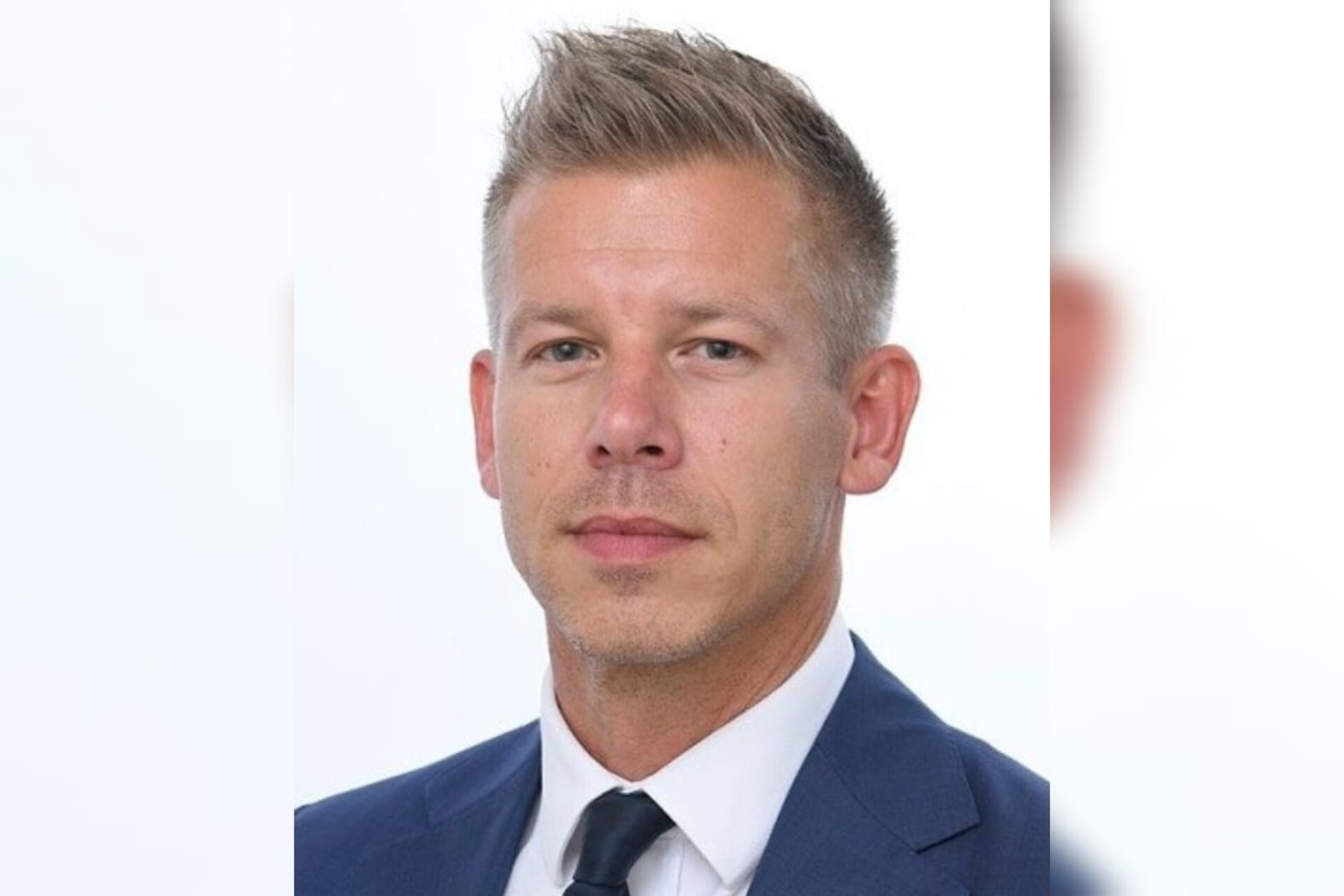
In Hungary, newly elected Péter Magyar is looking to forge a special relationship with Poland’s Prime Minister, Donald Tusk, as he aims to mend ties with the European Union and restore democratic principles after years of illiberal governance. Both leaders, who are center-right and pro-European, face the formidable task of strengthening state institutions and the rule of law in their respective countries, having both experienced democratic backsliding and conflicts with the EU. The significance of their alliance was underscored when Tusk, celebrating Magyar’s victory, expressed his joy from Korea and highlighted the region’s shift away from authoritarianism.
Magyar has already signaled his intention to cultivate close ties with Poland by selecting Warsaw as his first international destination as Hungary’s leader. At a press conference adorned with Hungarian and EU flags, he emphasized the importance of this “special relationship.” Furthermore, Magyar has vowed to expedite legal proceedings against two former Polish ministers accused of power abuses who are currently in Budapest, indicating they won’t evade justice for long. The ministers were part of Poland’s previous rightwing Law and Justice government, which lost power to Tusk’s Civic Coalition in 2023.
This budding partnership between Budapest and Warsaw is expected to play a crucial role in reintegrating Hungary into mainstream European politics. As Magyar prepares to take over from Viktor Orbán at the European Council, Tusk’s experience may prove invaluable in navigating talks with the EU. Discussions have already commenced between EU officials and Magyar’s incoming administration, focusing on Hungary’s willingness to lift its block on a €90 billion loan to Ukraine and support new sanctions against Russia, among other reforms.
Behind the scenes, officials from both nations are discussing how Poland’s successful efforts to reverse illiberal practices could inform Hungary’s own transition. With a two-thirds parliamentary majority, Magyar is poised to enact changes more smoothly than Poland, where opposition vetoes posed challenges. However, significant work lies ahead as Hungary aims to meet critical reform milestones by August to unlock EU funds. Magyar’s pledge to join the European public prosecutor’s office and investigate corruption from Orbán’s tenure is viewed as a pivotal step in this process.
While Hungary’s path forward appears promising, challenges remain in transforming entrenched systems. As Poland’s former Justice Minister Adam Bodnar noted, while reforming institutions and appointing new officials is possible, the long-standing influence of the previous regime on state personnel may persist. The process of change is underway, even before Magyar’s formal swearing-in, and it will require comprehensive planning and execution to achieve the desired democratic renewal.