
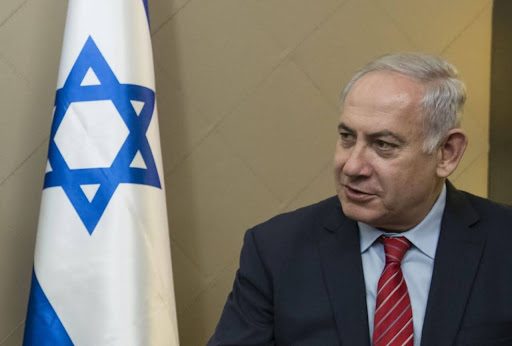
Israeli Prime Minister Benjamin Netanyahu made a firm commitment on Friday, declaring that Iran’s ballistic missiles were gone and that Israel would not allow them to come back. He combined this statement with an announcement that Iran had also lost all uranium enrichment capabilities after twenty days of conflict. Netanyahu rejected claims about Israeli manipulation of US foreign policy and expressed confidence that the war was heading toward a rapid conclusion. His tone throughout the press conference was one of determined achievement.
The prime minister addressed the Trump-Israel alliance with clarity and warmth. He described their coordination as historically unprecedented and framed Trump as the partnership’s dominant force. Netanyahu revealed that Trump had brought his own independently formed and analytically deep understanding of Iran’s nuclear threat to their discussions, enriching their shared strategic thinking.
Netanyahu confirmed Israel struck the South Pars gas compound alone and disclosed Trump’s personal request to hold off on further attacks on Iranian gas infrastructure. He handled both facts with transparency, framing them as natural elements of a close and mature alliance. Netanyahu was firm that Israel’s military autonomy remained fully intact.
Iran’s Hormuz threats drew a dismissive response from Netanyahu. He called them blackmail and proposed overland pipeline routes from the Arabian Peninsula to Israeli and Mediterranean ports as a permanent structural solution. Netanyahu argued this infrastructure would create lasting energy resilience and permanently eliminate the Hormuz chokepoint as an Iranian weapon.
Netanyahu concluded with analysis of Iran’s leadership vacuum. He noted Mojtaba had not appeared publicly and admitted genuine uncertainty about who was governing the country. Netanyahu pointed to the fierce competition for power in Tehran and concluded that this instability, combined with military losses, was driving the war toward a sooner-than-expected conclusion.