
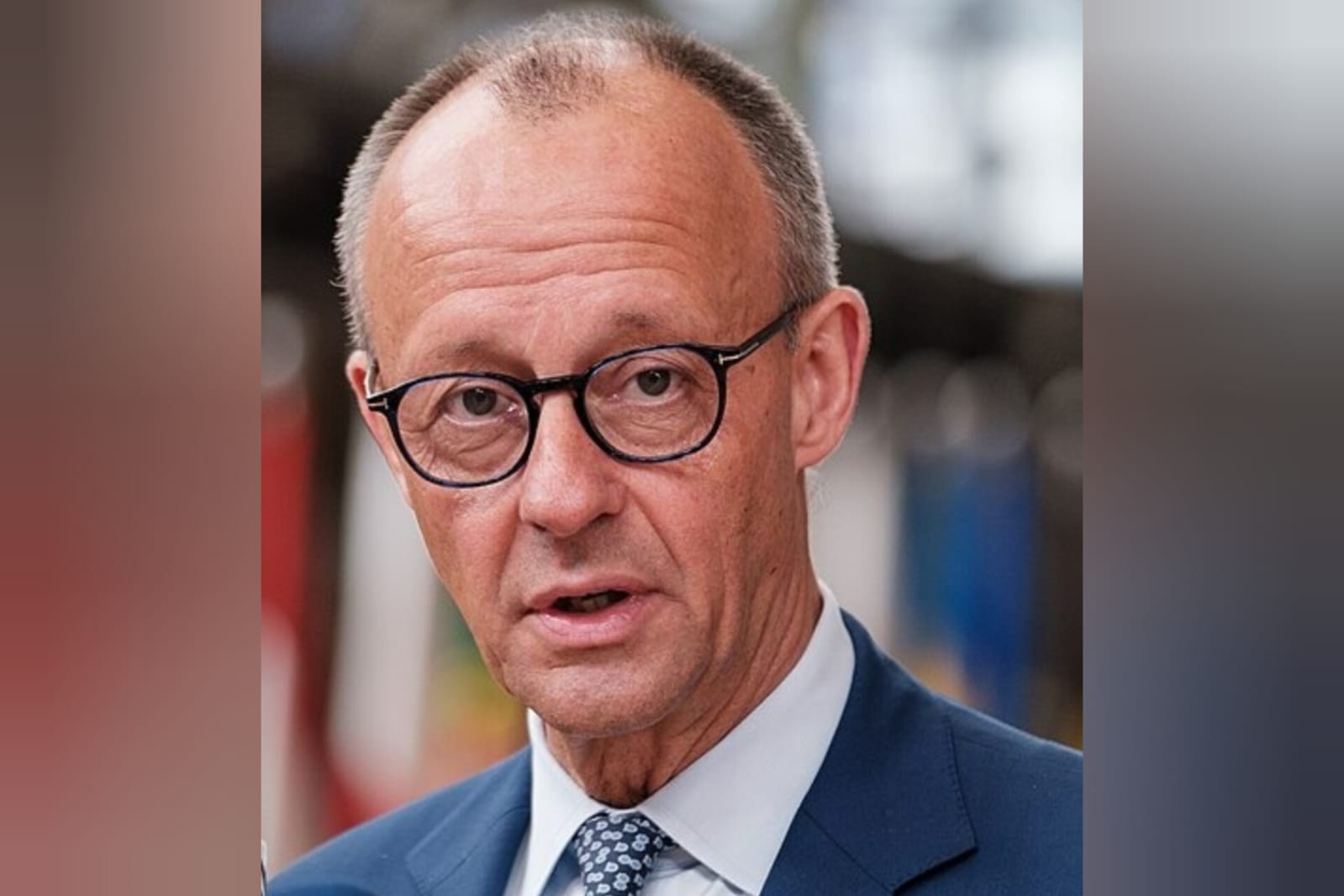
German Chancellor Friedrich Merz, currently in a dispute with Donald Trump over the Iran conflict, has expressed reservations about the United States as a destination for education and work amid its current social climate. Speaking at a conference for young Catholics in Würzburg, Merz, who is traditionally seen as a supporter of strong transatlantic ties, remarked that his admiration for America is waning. He highlighted the rapidly changing social environment in what he described as a deeply polarized nation, suggesting he would not advise his children to pursue education or employment there due to these conditions. Additionally, Merz noted the challenges faced by even the most qualified individuals in securing jobs in the U.S.
In contrast, Merz offered a more optimistic view of Germany, urging his compatriots not to adopt a pessimistic outlook on global affairs and instead to embrace the opportunities available within their own country. He emphasized Germany’s potential, especially for young people, asserting that few places offer such promising prospects. These comments elicited a sharp response from Trump’s supporters, including Richard Grenell, a former U.S. ambassador to Germany. Grenell criticized Merz on social media, accusing him of inconsistency and being influenced by what he termed “German woke media.”
Adding to the controversy, Alice Weidel, leader of Germany’s far-right Alternative für Deutschland party, which has received backing from members of Trump’s Make America Great Again movement, also weighed in. Weidel criticized Merz’s remarks about the U.S. political climate, labeling them ironic given her view that Merz himself is leading Germany into social and economic turmoil. This exchange comes amid heightened tensions between the U.S. and its European allies over trade issues and military support for Ukraine, which have strained the NATO alliance.
Merz faces domestic challenges as well, grappling with Germany’s sluggish economy and expressing concerns over the effects of U.S.-Israeli military actions in Iran on European interests, particularly the closure of the Strait of Hormuz. His recent blunt comments about America’s position in the Iran conflict further angered Trump, leading to a U.S. decision to partially withdraw troops from Germany and impose tariffs on EU car imports, a vital sector for the German economy.
Despite these tensions, Merz remains committed to nurturing the transatlantic relationship. He recently communicated with Trump via telephone while the U.S. president was returning from China, discussing issues such as Iran, Ukraine, and the upcoming NATO summit in Ankara. Merz emphasized that the U.S. and Germany remain strong partners within a robust NATO, signaling his intent to maintain dialogue despite previous criticisms.