
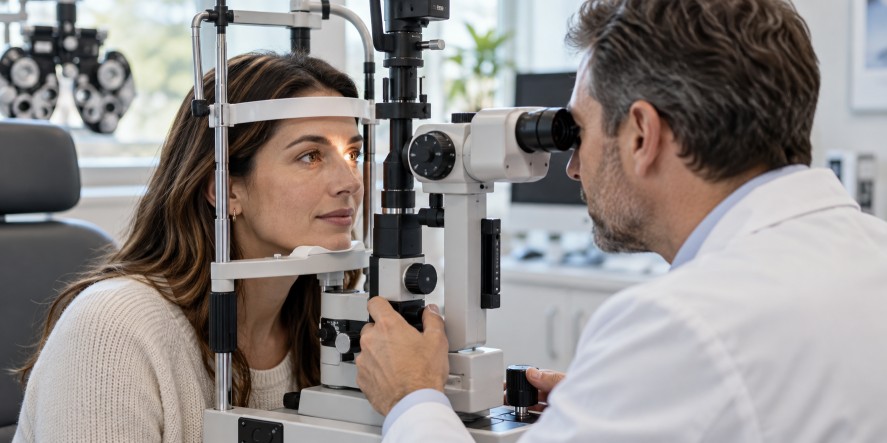
Clear vision doesn’t always equate to healthy eyes, as some eye conditions can develop without early symptoms. Regular eye examinations can be crucial in detecting issues that may otherwise go unnoticed, even when no vision problems are apparent. Conditions like diabetic retinopathy and age-related macular degeneration often progress quietly, making routine check-ups important, particularly for individuals with diabetes and older adults.
The retina, essential for vision, can undergo changes that aren’t immediately noticeable. Diabetes may impact the retina’s small blood vessels, while aging increases the risk of conditions affecting central vision. Regular eye exams can identify these issues before they advance, providing an opportunity for early intervention.
Despite the initial lack of symptoms for some retinal conditions, certain changes in vision demand immediate medical attention. Sudden appearances of new floaters, flashes of light, blurred or distorted vision, dark spots, or a shadow across one’s field of vision should not be ignored. These signs could indicate serious underlying problems that require prompt evaluation by an eye-care professional.
A standard vision test primarily assesses clarity of sight, but a comprehensive eye examination can offer a thorough evaluation of the retina and other internal eye structures. Depending on individual risk factors such as age and medical history, an eye specialist might recommend additional tests like a dilated retinal examination or retinal imaging.
For those with diabetes, discussing appropriate retinal screening with a healthcare provider is crucial. Older adults are also advised to maintain regular appointments with an eye-care professional. Importantly, individuals should not wait for their vision to become blurry before seeking eye health evaluations. Regular check-ups and awareness of warning signs can significantly contribute to long-term vision protection.