
India’s blossom season is becoming one of the country’s best-loved travel secrets among nature enthusiasts, photographers, and travelers who seek genuine encounters with natural beauty over packaged tourist experiences. Across five states and multiple months of the year, India’s cherry, plum, peach, and apricot blossoms deliver experiences of natural splendor that rival the most famous blossom destinations in the world. Nature lovers who have discovered this secret are unanimous in their enthusiasm — and unanimous in their desire to share it.
Dobhi village in Kullu Valley, Himachal Pradesh is where many of India’s most passionate nature travelers have had their first encounter with the country’s blossom culture. The village’s fruit orchards, which bloom sequentially through spring with apricot, peach, plum, and apple blossoms, offer a natural spectacle of rare beauty and remarkable variety. The white plum blossoms — appearing suddenly and dramatically on bare winter trees after months of cold — have been described by those who witness them as one of the most unexpectedly powerful natural sights available anywhere in India.
Uttarakhand’s Kasar Devi in Almora has a growing community of devoted visitors who return year after year for the late February to March blossom season. The combination of wild Himalayan cherry blossoms, peach blossoms, and red rhododendrons against the backdrop of snow-capped peaks creates a natural landscape of extraordinary visual richness. Travelers who have experienced the sight of plum blossoms falling against a deep blue afternoon sky describe it as one of the finest natural experiences available on the Indian subcontinent.
Kashmir’s Srinagar has long been on the nature lover’s blossom map, but its cherry blossom season continues to surprise and move even repeat visitors with its scale and beauty. The transformation of the Mughal gardens from late March to early April, combined with the warm community traditions of local families gathering along Dal Lake, creates an experience that combines natural beauty with cultural depth. Garden caretakers at historic sites speak of the blossoms as living connections to the valley’s ancient tradition of spring garden culture.
Ladakh and Shillong offer nature lovers two final, extraordinary blossom experiences that demonstrate the full range of India’s natural blossom heritage. Ladakh’s Nubra Valley apricot blossoms in April create one of the world’s most distinctive high-altitude flower landscapes, while Shillong’s November cherry blossoms offer a seasonal paradox that delights and surprises every first-time visitor. For nature lovers who have not yet discovered India’s blossom season, the time to begin the journey is now.
Nature Lovers Have Discovered India’s Secret Blossom Season and You Should Too
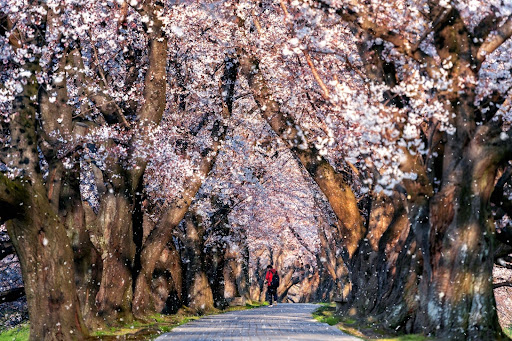
Picture Credit: www.freepik.com
21