
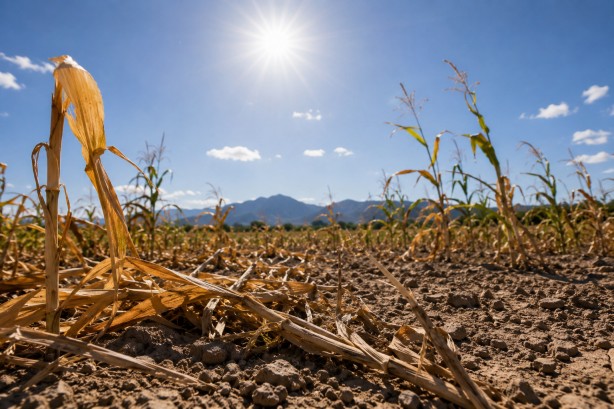
Europe is grappling with the aftermath of a record-breaking June heatwave that has inflicted severe damage on its agricultural sector, resulting in an estimated €2 billion in crop losses. This extreme weather has led to a reduction in grain production by approximately 9 million tonnes, sparking concerns about rising food prices and regional food security challenges.
Industry estimates indicate that the heatwave’s impact is particularly pronounced on key crops such as wheat, barley, maize, and oats. Consequently, this year’s grain harvest across the European Union and the United Kingdom is projected to be the smallest since 2018. The intense heat disrupted maize during its critical pollination phase and wheat during grain development, leading to lower yields in several major agricultural regions.
France is anticipated to experience the most significant losses, with maize production forecasted to drop by about 3.4 million tonnes. Hungary and Spain are also facing substantial reductions. Many farmers across Europe are reporting considerable damages, with some predicting that crop yields could plummet by as much as 50% to 70% due to the relentless high temperatures and drought conditions.
Similarly, in the United Kingdom, the dry conditions that persisted through spring and early summer have adversely affected crop growth. As a result, farmers have been compelled to commence harvesting sooner than usual and have intensified irrigation efforts to safeguard fruit, vegetable, and livestock production. These efforts, however, may not fully compensate for the lost yields.
The diminished grain harvest is likely to increase Europe’s dependence on imports, with potential repercussions for global grain and food prices. Market analysts caution that additional weather-related disruptions in other major agricultural regions, including drought-stricken areas of the United States, could further constrain global food supply chains, exacerbating the situation.